By Judy Muriuki As an avid participant in the Internet ecosystem, I was fortunate to be selected as a fellow for the 7th cohort of the Kenya School of Internet Governance (KeSIG). KeSIG is a flagship program by the Kenya ICT Action Network (KICTANet). It was the 3rd virtual edition comprising 118 participants from around the region with varied backgrounds, but all passionate about being part of the Internet Governance (IG) conversation. Through the expertise of the school’s management, presentations by industry experts and the self-paced learning system, I gained knowledge that helped me to appreciate the stakeholders within Kenya’s IG ecosystem. Beyond giving me a broader context of the roles played by actors, I got a better understanding of the contribution made by both the private sector and civil society towards the policy-making process. This contribution was made clear when the president rejected the ICT Practitioners Bill in late June and asked parliament to consider concerns raised by practitioners (Nderitu, 2022). The final two weeks of the KeSIG course became busy for me. I was completing the self-paced learning from both the KeSIG and the Internet Society (ISOC) where I had enrolled for Internet Governance courses. Doing the studies concurrently turned out to be a significant advantage for me, as I was able to contextualise and compare concepts within the global, regional and local perspectives. The conversations on WhatsApp and, the platform’s chat forum was eye-opening and motivated me to complete the readings, assignments and quizzes. By the time the Kenyan IGF, themed Resilient Internet for a shared sustainable and common future, was taking place on Thursday 30th June; I was conversant with the conversations having a good grasp of the issues, actors and policies being discussed. My biggest takeaways from this training were: I would recommend internet users enrol in this program to better understand and participate in the internet conversation. In 2016, the UN declared that it considers the internet to be a human right. This was with an addition being made to Article 19 of the Universal Declaration of Human Rights (UDHR), which states: “Everyone has the right to freedom of opinion and expression; this right includes freedom to hold opinions without interference and to seek, receive and impart information and ideas through any media and regardless of frontiers.” Section 32 adds “The promotion, protection and enjoyment of human rights on the Internet” and another 15 recommendations that cover the rights of those who work in and rely on Internet access. It also applies to women, girls, and those heavily impacted by the digital divide. As the world moves socially, politically and economically online, internet users need to understand the internet’s environment to better participate and protect themselves, their data and their networks. To continue engaging in the IG conversation around Kenya and globally, facilitators encouraged us to visit the following stakeholder websites and engage with industry stakeholders. The suggested links are below: Judy Muriuki is a digital content creator passionate about using ICT to improve the quality of life for its users, especially in Africamarginaliseded communities. Follow the writer on LinkedIn. References Nderitu, S. W. (2022, June 21). President Uhuru Kenyatta Declines to Sign ICT Bill, Sends It Back to Parliament. Tech Trends Ke. Retrieved July 7, 2022, from https://techtrendske.co.ke/president-uhuru-kenyatta-declines-to-sign-ict-bill-sends-it-back-to-parliament/

2022 Kenya Internet Goverance Forum #KeIGF
Hybrid Forum: 30 June 2022. 2022 Theme: \”Resilient Internet for a shared sustainable and common future\”. ANNUAL Kenya IGF Programs. The 2022 Kenya IGF Program The 2021 Kenya IGF Program The 2020 Kenya IGF Program The 2019 Kenya IGF Program The 2018 Kenya IGF Program The 2017 Kenya IGF Program The Internet Governance Forum (IGF) is an open and inclusive multi-stakeholder forum where public policy issues related to key elements of Internet governance, such as the Internet’s sustainability, robustness, security, stability and development are discussed. The United Nations Secretary-General formally announced the establishment of the IGF in July 2006 and the first meeting was convened in October 2006. The purpose of the IGF is to maximize the opportunity for open and inclusive dialogue and the exchange of ideas on Internet Governance (IG) related issues; create opportunities to share best practices and experiences; identify emerging issues and bring them to the attention of the relevant bodies and the general public; and contribute to capacity building for Internet governance. The event brings together stakeholders representing government, the private sector, civil society, the technical and academic community, media and the public in an informal setting for policy dialogue on Internet governance issues on an equal basis through an open and inclusive process. This type of cooperative engagement is usually referred to as the multistakeholder model of Internet Governance, which is one of the key features for the Internet’s success. This model is paramount to ensure that the Internet remains sustainable for economic and social development. KICTAnet in partnership with Industry stakeholders, convenes and organizes the Kenya IGF. This has been the tradition since the 1st edition of the Kenya IGF, which was held in 2008. The Kenya IGF has been hosted and convened by KICTAnet in every successive year since then. KICTAnet works with partners and sponsors to make the event a success. The willingness of the various organizations to partner and support the event is an indication of their commitment to the development and growth of the internet in Kenya. The main outcome of the Kenya IGF is to maximize opportunities for open and inclusive dialogue and the exchange of ideas on Internet Governance (IG) related issues. Others include: Creation of opportunities to share best practices and experiences. Identification of emerging issues and bringing them to the attention of the relevant bodies and the general public. Contribution to capacity building for Internet governance. Bringing new voices into the Internet Governance Conversation. Develop a common national position with key recommendations to feed to East Africa and Africa IGFs.

Youth IGF
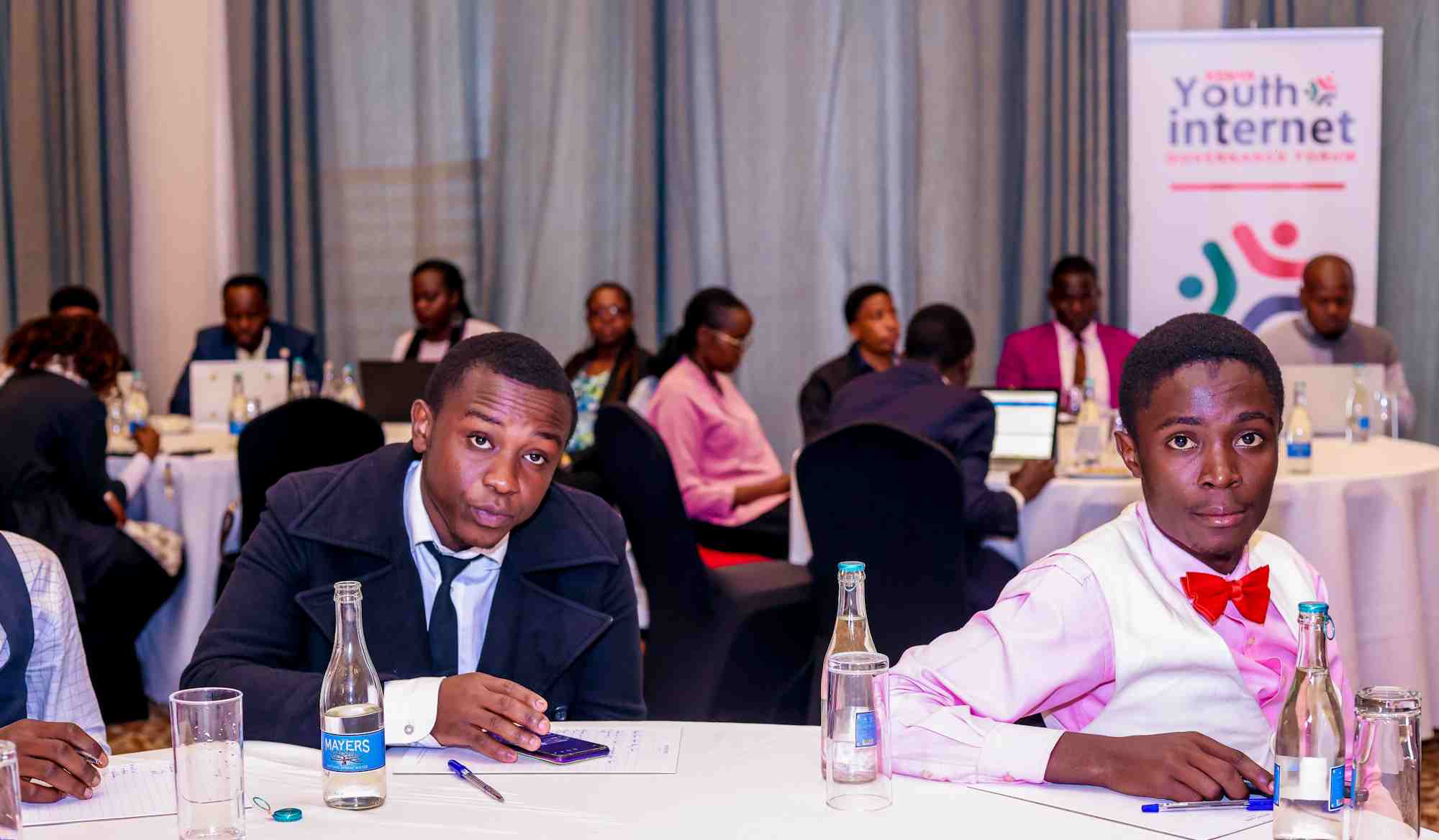
Kenya-Youth IGF is a platform where children and young people in Kenya will convene to discuss on internet matters and how to make the internet better for them. This Initiative aims to provide a platform for younger generation in Kenya to speak up on Internet Governance issues, build up sense of digital citizenship of young people, raise awareness on Internet governance issues and to familiarize the community with the Internet Governance model, all in order to equip participants with skills and knowledge for future participation in actual Internet policymaking discussion. YIGF Kenya is a one day event that will be held at Daystar University on 5th July 2017 from 8:30 am to 2.30pm. The topics and discussions held at the Youth IGF will be presented at the main Kenya IGF. Objectives Build the capacity of young adults to participate in internet governance discussion. Encourage youth to attend and bring contribution to actual internet governance discussion Provide platform for cultivating idea to drive social change and further actualizing the initiative for a healthy and harmonious internet. Develop youth network on internet governance. Activities All youth participants will be assigned to different stakeholder groups for example Civil Society, Private Sectors, Governments, etc. for the discussion of various internet governance issues. The aim of this simulation session is to let the youth to put themselves into other people’s shoes and encourage them to think from a multi-stakeholder perspective. They will then present their views and proposals to a panel of representatives from the various sectors. Event Program 0800 – 0815: Arrival and registration, Daystar University Auditorium, Nairobi Campus 0815 – 0930: Welcome note,Roselyn Olumbe, Daystar University, Lillian Kariuki, Executive Director, Watoto Watch Network Introduction to Youth IGF- Grace Githaiga KICTANet, Remarks by guests, Kenic ( .Ke), Facebook, Safaricom*, Law Society of Kenya, Ministry of ICT, Opening of the forum, Communications Authority of Kenya-Vincent Ngundi Assistant Director, Cyber Security and E-commerce 0930 – 1000: Tea Break 1000 – 1130: Youth discussion (Main hall),Teachers and lecturers engagement, -Facebook Public policy Manager Africa, -Communications Authority 1130 – 1315: Youth Presentation,Stakeholders Panel- Q/A, Communications Authority, Ministry of Education, Ministry of ICT, Facebook, Safaricom, LSK 1315 – 1430: Lunch break/Departure Watoto Watch Network is the organizer of this first Kenya Youth IGF. Watoto Watch Network is a child focused non-profit organization that has been on the lead in championing Child Online Protection (COP) since 2013 in Kenya. Watoto Watch network are also the Kenya Organizers of the Global Safer Internet Day, which is celebrated globally to help promote the safe, responsible and positive use of digital technology for children and young people. http://www.watotowatchnetwork.org/